
The Ultimate Guide to Sourcing Sustainable Materials in China
The Ultimate Guide to Sourcing Sustainable Materials in China (2025 Edition)
Vegan leather, biomaterials, recycled textiles, FSC packaging, and more.
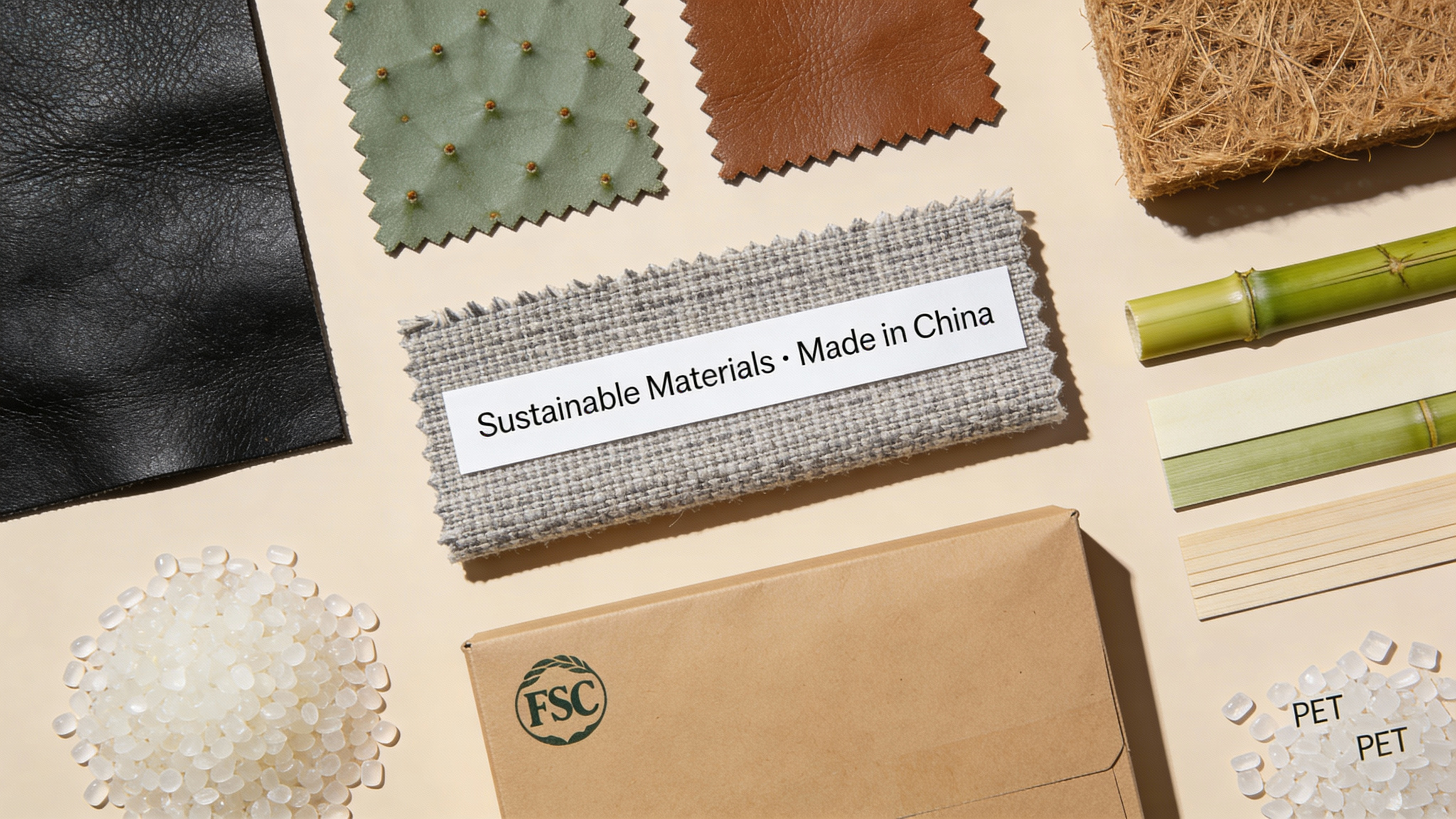
Sustainable sourcing has shifted from a niche interest to a global priority. As consumers demand more transparency and as regulations strengthen across the EU, UK, and US, brands are rethinking the materials that go into their products. China, once viewed primarily as a high-volume manufacturing hub, now plays a central role in the development and production of eco-friendly materials. Factories across the country have invested heavily in R&D, cleaner production methods, and third-party certifications, making it possible for brands to access both innovation and scale within a single supply chain ecosystem.
What sets China apart is the density of its manufacturing clusters. Provinces like Guangdong, Zhejiang, Fujian, and Jiangsu host networks of material suppliers, processing facilities, dye houses, and quality-control labs that work in close coordination. This environment allows sustainable materials to be developed quickly, refined at low cost, and produced in consistent batches. For brands exploring alternatives to traditional textiles or packaging, China offers a level of efficiency and technical expertise that is difficult to replicate elsewhere.
The Growth of Vegan Leather and Other Leather Alternatives
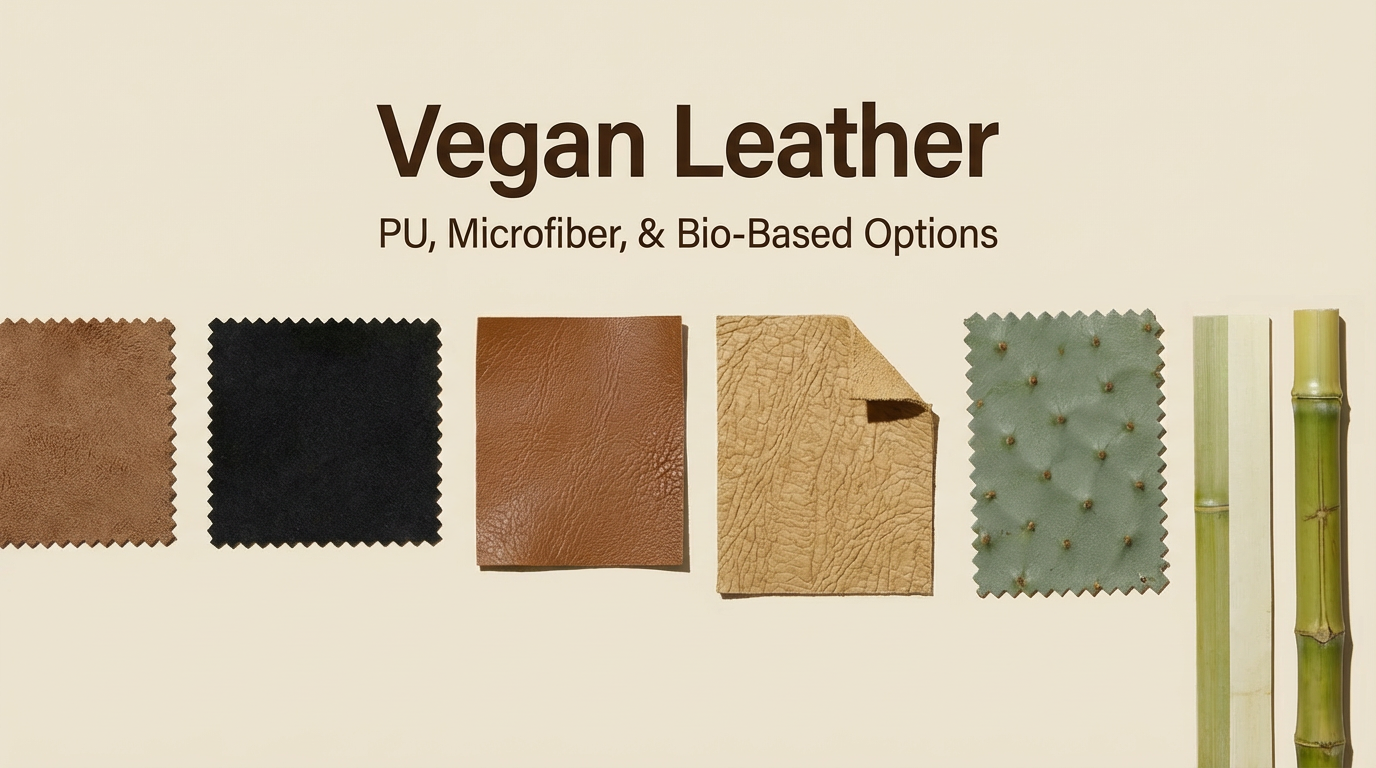
One of the fastest-growing categories in sustainable sourcing is vegan leather. PU-based vegan leather remains widely used because it is versatile, affordable, and available in thousands of finishes. Although synthetic, the latest production methods—such as water-based PU coatings and solvent-free processing—have greatly reduced its environmental impact. For brands seeking a more refined, longer-lasting option, microfiber leather has become an attractive alternative. Its tightly structured fibers create a texture and durability closer to genuine leather, making it suitable for premium accessories, footwear components, and protective cases.
A newer wave of bio-based vegan leathers has also emerged. Materials made from cactus, apple waste, bamboo compounds, or corn-derived polymers offer an appealing story for sustainability-focused brands. These materials are typically produced by smaller, specialized factories and are still evolving in terms of performance and supply consistency. Even so, China has begun scaling parts of this segment by partnering with material innovators and integrating bio-based components into existing production workflows.
Biomaterials and Low-Impact Textiles
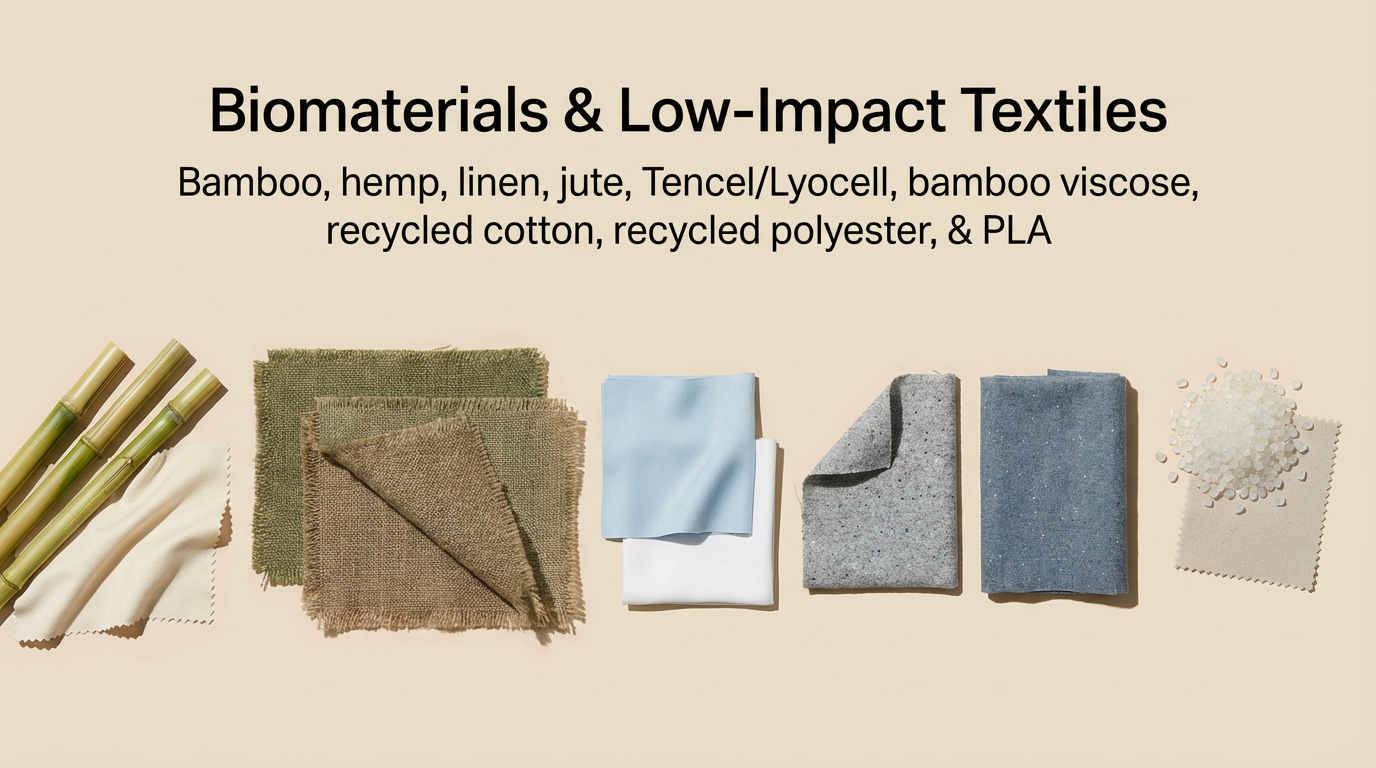
Beyond leather alternatives, China has made significant progress in natural and low-impact fibers. Bamboo, for instance, has become a widely used sustainable textile due to its softness, breathability, and naturally antibacterial qualities. Factories in regions such as Fujian have refined the mechanical and chemical processes that transform bamboo pulp into high-quality yarns suitable for clothing, baby products, and home textiles.
Hemp, one of the most environmentally resilient crops, has also regained attention. Its strong fiber structure and minimal resource requirements make it a dependable material for garments, bags, and outdoor products. Meanwhile, Tencel™ and other Lyocell-based fabrics—known for their smooth texture and closed-loop production systems—are now staples in Chinese mills, offering brands a luxurious yet low-impact alternative to cotton or viscose.
The Rise of Recycled Materials
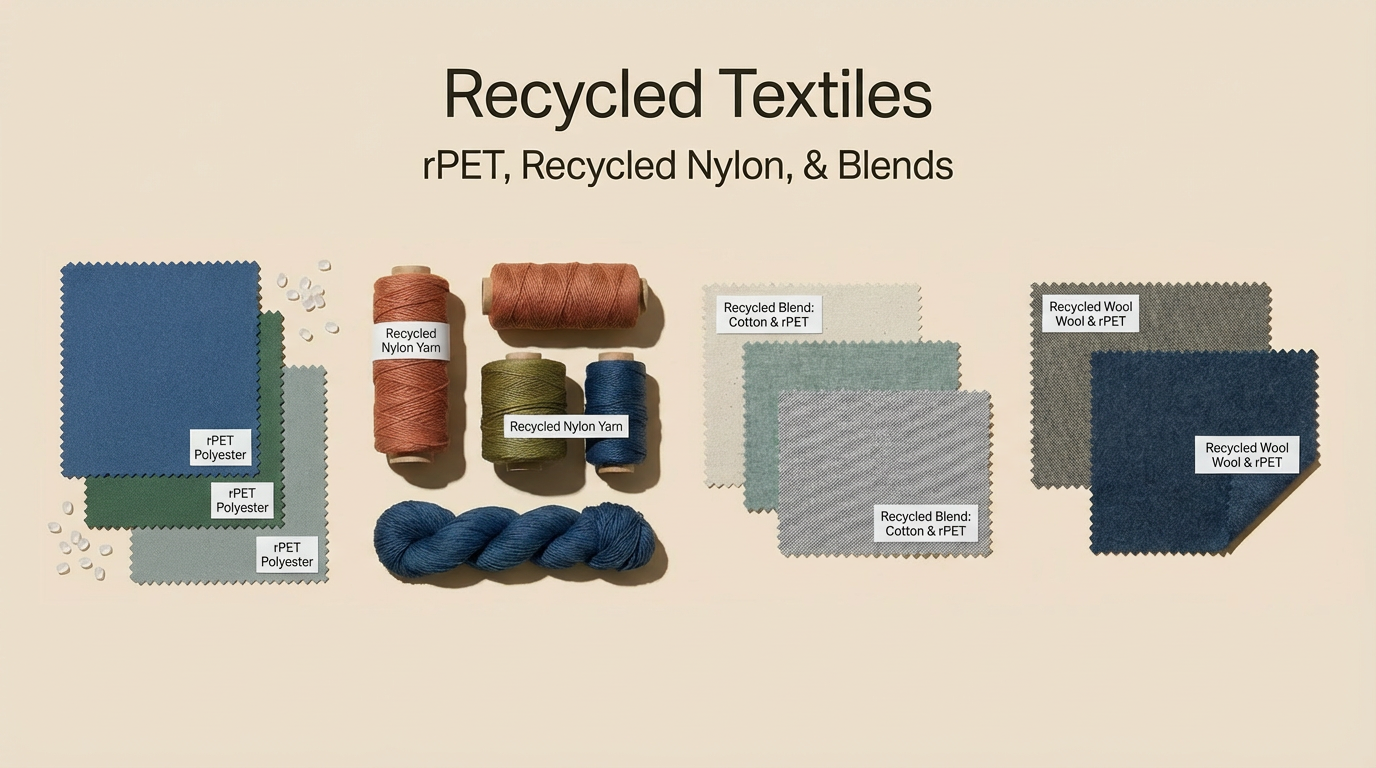
China’s recycling infrastructure has expanded rapidly, enabling large-scale production of materials like recycled polyester (rPET) and recycled nylon. These materials begin their life as collected plastic bottles, fishing nets, or post-industrial waste before being cleaned, melted, and re-extruded into new fibers. The resulting textiles are used in everything from activewear and outerwear to tote bags and soft accessories. Recycled cotton has also become more common, often blended with virgin fibers to achieve both softness and durability.
The appeal of these recycled materials lies not only in their reduced environmental footprint but also in their scalability. Factories can supply consistent batches, meet demanding performance requirements, and provide third-party testing to validate recycled content, giving brands confidence in the authenticity and quality of their materials.
Sustainable Packaging Materials
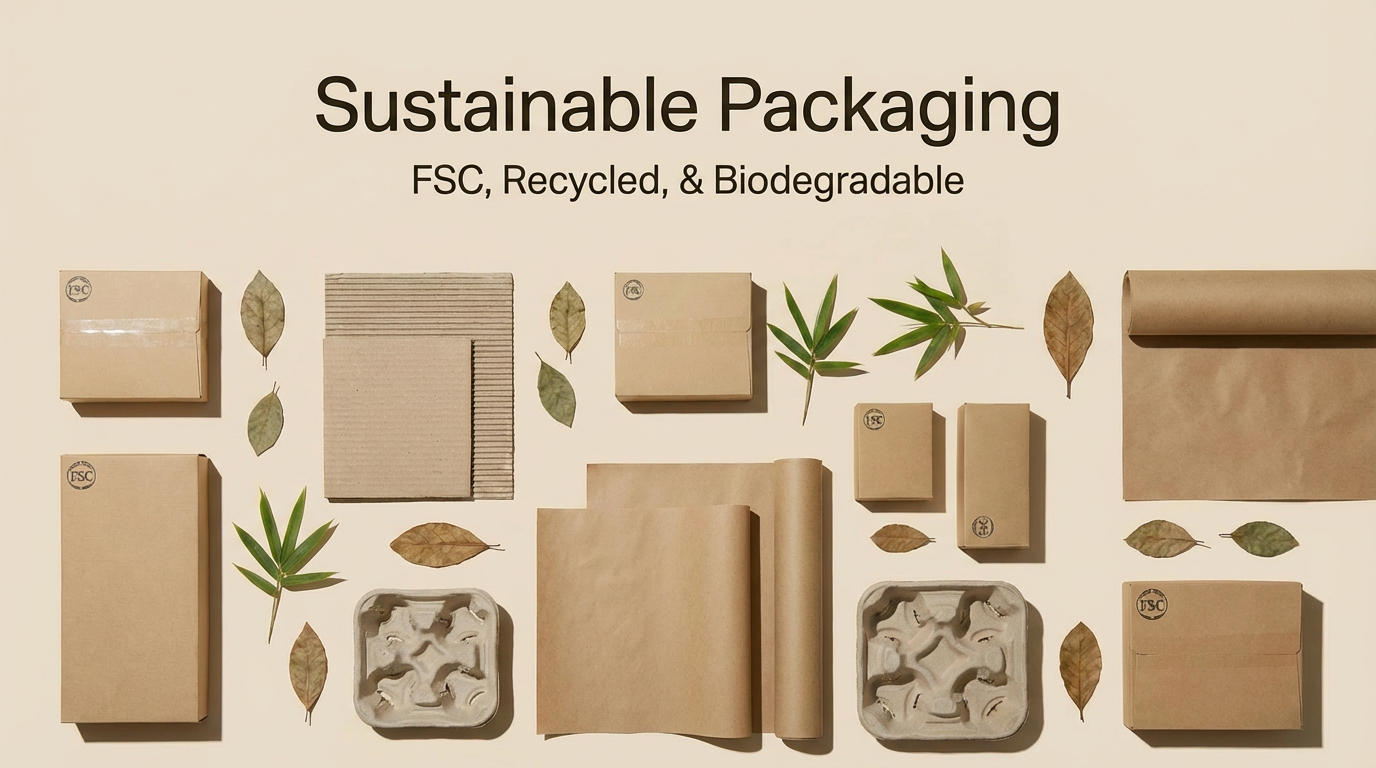
In parallel with textiles, China has become a leader in environmentally friendly packaging solutions. FSC-certified paper, recycled cardboard, soy-based inks, molded pulp trays, and biodegradable films have all become mainstream options for packaging manufacturers. Many factories now operate with upgraded printing technology, cleaner adhesives, and waste-reduction systems that support global compliance requirements. This combination of sustainability and advanced manufacturing equipment allows brands to create packaging that aligns with both environmental goals and premium design standards.
How to Source Responsibly and Verify Supplier Claims
As sustainable materials become more common, verifying claims has become increasingly important. Certifications such as FSC, GRS, RCS, OEKO-TEX, and BSCI remain essential markers of compliance and industry best practice. Brands should also request updated testing reports, factory photos or videos, and clear documentation about raw material sourcing. Transparency is a strong indicator of a reliable supplier, and responsible factories are generally willing to share detailed information about their production methods, chemical management, and quality-control systems.
Final Thoughts
Sourcing sustainable materials in China is no longer a complex or uncertain process. With the right partners, brands can access a diverse and rapidly expanding ecosystem of eco-friendly materials, from bio-based leathers and natural fibers to recycled textiles and low-impact packaging solutions. As the global demand for sustainable products grows, China’s combination of innovation, manufacturing expertise, and certification infrastructure makes it an ideal location for brands seeking both performance and responsibility in their supply chain.